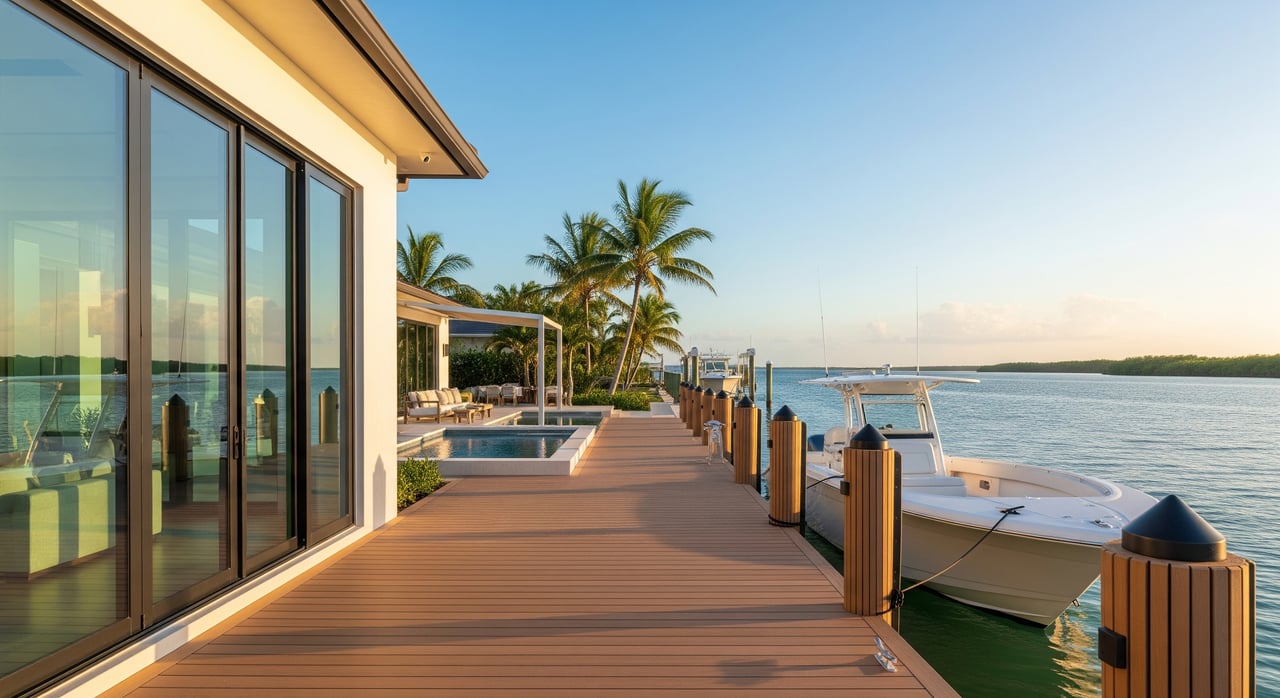
Dreaming about waking up to blue water in the Lower Keys and keeping your boat steps from your back door? On Summerland Key, your biggest decision is often canal-front versus open-water living. Each offers a distinct boating routine, maintenance profile, insurance picture, and daily experience. In this guide, you will learn the practical tradeoffs, local checks to run, and how to align your choice with your lifestyle and resale goals. Let’s dive in.
Canal vs open water: quick take
- Canal-front: Sheltered waters and easy dockage, great for frequent boating and paddle days. Expect depth and bridge limits, closer views, and moderate maintenance.
- Open-water: Panoramic views and faster deepwater access for larger boats. Expect more exposure to wind and waves, stricter permitting, and typically higher insurance and construction costs.
Boating access and routine
If you plan to head out often, start with your boating profile.
- Canal-front benefits: You get immediate private dock access and calmer water for docking, boarding, and maintenance. This setup is ideal for small to medium boats and frequent short trips.
- Canal-front limits: Many canals have shallow spots and may require periodic dredging. Boat size can be limited by canal width, depth, and any bridge clearances or local ordinances.
- Open-water benefits: Direct, deeper access is a win for larger vessels and offshore trips. You will enjoy faster runs to fishing grounds.
- Open-water tradeoffs: You face rougher conditions when leaving and returning, and you may need more robust lifts or moorings. Overnight anchoring near open exposures is less sheltered.
Tip: Ask for channel depth at mean low water and any nearby fixed bridge clearances. Depths can change with sedimentation, so verify with recent reports or contractor input.
Weather and surge protection
Summerland Key sits in a tropical storm and hurricane zone with low elevations and tidal flats. Flooding and surge are primary hazards for waterfront properties.
- Canal-front: Canals are more sheltered from wave action. Seawalls and docks typically see lower wave energy, though storm surge can still funnel quickly along canal systems.
- Open-water: Open exposures face stronger wind-driven waves and higher surge impacts. Elevation and structural durability matter more, which can affect design and cost.
Preparation matters for both property types. Expect to plan for hurricane tie-downs, shutters, and a clear evacuation and re-entry plan during storm season.
Views and privacy
Your daily backdrop shapes your lifestyle.
- Canal-front: You get a quieter, more intimate setting with common backyard activities like fishing from the dock, paddleboarding, or a morning coffee on the seawall. Views are usually of the canal and neighboring homes.
- Open-water: You gain panoramic horizons, sunsets, and a greater sense of openness. Depending on lot layout, you may feel more secluded visually, even with more boat activity offshore.
Ask yourself how much you value horizon views versus a protected backyard that feels like a private cove.
Noise and traffic
- Canal-front: Narrow canals tend to limit high-speed traffic and wakes. If a canal is used as a shortcut or sits near a busy channel mouth, you may notice more boat noise.
- Open-water: Expect more pass-by traffic from motorboats, charters, and transiting vessels, especially near marked channels or marina approaches.
Visit at different times and days to hear how a property sounds in real life.
Maintenance and long-term costs
Salt, wind, and sun are a constant across the Keys. Exposure level and water energy drive upkeep.
- Canal-front: Plan for seawall upkeep, dock repairs, and potential canal dredging. Sediment and mangrove growth may require periodic attention. Costs vary with seawall age and canal conditions.
- Open-water: Expect heavier-duty seawalls, pilings, and hardware designed for higher forces. Corrosion from salt spray can be more intense. Construction and insurance costs are typically higher over time.
Request maintenance and repair documentation for any seawall, dock, or lift. Photos from prior storms help you judge resilience.
Permits and marine protections
The Lower Keys border sensitive habitats, including seagrass beds, mangroves, and coral. Multiple agencies regulate shoreline work.
- Common to both: Dock construction, seawall repairs, dredging, mangrove trimming, and mooring installations typically require permits. You will work with Monroe County, state agencies, and federal authorities where applicable.
- Key differences: Open-water projects often face stricter scrutiny for erosion control, seawalls, and dredging because of wave energy and habitat impacts. Canal work can involve county-managed waterways with different maintenance responsibilities.
Before you plan a new dock or expand a lift, verify the presence of mangroves or seagrass and review all recorded permits and as-built drawings. Protected habitat buffers can limit what is allowed.
Insurance and building codes
All Keys waterfront properties navigate wind and flood risks. Open-water exposure usually tightens requirements further.
- Insurance: Flood and wind premiums tend to be higher on open-water sites and in coastal high-hazard areas. Underwriters may call for additional windstorm coverage and mitigation features.
- Building codes: Florida and Monroe County emphasize elevation, flood-resistant materials, and robust tie-downs. Open-water properties may require higher finished-floor elevations and stronger structural measures.
Ask for the current flood zone, the elevation certificate, and recent insurance quotes specific to the address. This helps you compare apples to apples between properties.
Resale and market fit
- Open-water: Often commands a premium for views and deeper access. Resale appeal is strong among buyers who prioritize horizon views and offshore runs, but some will weigh higher exposure and insurance accordingly.
- Canal-front: Appeals to boaters who want dock convenience and shelter, and to buyers who favor lower exposure and a quieter setting.
Your best long-term outcome comes from matching your boating routine, view preferences, and risk tolerance with the right property type.
Buyer checklist for showings
Use this quick, actionable list when touring Summerland Key waterfront homes:
- Confirm the FEMA flood zone and request the elevation certificate and base flood elevation.
- Inspect seawall and dock condition. Look for rot, leaning pilings, and scour, and ask for maintenance records.
- Ask for channel depth at mean low water and the owner’s experience operating boats from the property.
- Verify shoreline permits for docks, lifts, seawalls, and any dredging. Confirm no work was done without permits.
- Determine whether mangroves or seagrass in front of the lot could limit dock changes or boat access.
- Request property-specific wind and flood insurance quotes from a local insurer.
- Evaluate privacy and visibility from passing boats. Visit during different days and times to assess typical traffic and noise.
- Ask about HOA or shared canal maintenance obligations and associated costs.
- Confirm evacuation logistics and the property’s access to the Overseas Highway during storms.
Local contacts to consult
When you are serious about a property, line up the right conversations:
- Monroe County Building Department and Planning & Environmental Resources for shoreline rules, permits, and floodplain details.
- Monroe County Property Appraiser for parcel data and recorded easements.
- FEMA Flood Map Service Center for current flood zone maps and panel information.
- Florida Department of Environmental Protection for mangrove protection and shoreline alteration rules.
- U.S. Army Corps of Engineers to determine federal permit needs for docks, pilings, dredging, or seawalls.
- Florida Fish and Wildlife Conservation Commission and the Florida Keys National Marine Sanctuary for seagrass, coral, and mooring restrictions.
- Local marina operators and marine contractors for practical depth, dredging history, and typical construction standards in your area of Summerland Key.
- Local insurance brokers who specialize in Keys waterfront for underwriting guidance and quotes.
How to decide
Work through these questions to clarify your best fit:
- What boat do you own or plan to buy, and how often will you use it? Offshore or inshore?
- Do you prioritize horizon views over sheltered dockage, or the reverse?
- How comfortable are you with higher insurance costs, frequent maintenance, and hurricane preparations?
- Will you visit often enough to manage upkeep, or do you need support while away?
- Do you plan to rent the property at any point, and what do neighborhood or county rules require?
- How important is future resale value versus your current lifestyle goals?
Work with a local expert
Choosing between canal-front and open-water living on Summerland Key is about aligning your boating life, risk comfort, and maintenance expectations with the right shoreline. A knowledgeable local advisor can help you verify flood and elevation data, read seawall and dock conditions, interpret permit histories, and source realistic insurance quotes before you make an offer.
Ready to explore the best options for your lifestyle and budget? Connect with Stacey Pillari to compare specific Summerland Key properties, confirm the technical details, and move forward with confidence.
FAQs
What are draft limits in Summerland Key canals?
- Many canals can be shallow, and depth varies with sedimentation. Verify channel depth at mean low water and ask for recent soundings or local marina guidance before committing to a larger vessel.
How do flood zones affect open-water homes in Monroe County?
- Open-water properties often face higher wind and flood exposure, which can translate to stricter elevation requirements and higher flood premiums. Request the elevation certificate and current flood zone data for any address.
Who handles canal dredging and maintenance on Summerland Key?
- Responsibilities vary by location. In some areas owners, HOAs, or the county may manage dredging. Confirm recorded agreements and any history of dredge events before closing.
Are insurance costs higher for open-water properties?
- Waterfront properties carry higher premiums in general, and open-water exposure typically increases flood and wind costs. Obtain property-specific quotes early in your due diligence.
What permits are needed for seawalls and docks in the Keys?
- Projects like seawall repair, new docks, lifts, and dredging commonly require approvals from Monroe County, state agencies, and sometimes federal authorities. Protected seagrass and mangroves can limit what is allowed.
Can boat size be limited by bridges near my canal home?
- Yes. Canal-front properties can be limited by width, depth, and nearby bridge clearances. Ask about fixed bridge heights and any local ordinances that affect your boat.
Do Summerland Key waterfront homes face more noise from passing boats?
- Open-water lots often see more transient boat traffic and wakes, especially near marked channels. Canals are usually quieter, but traffic can increase near busy channel mouths or popular shortcuts.