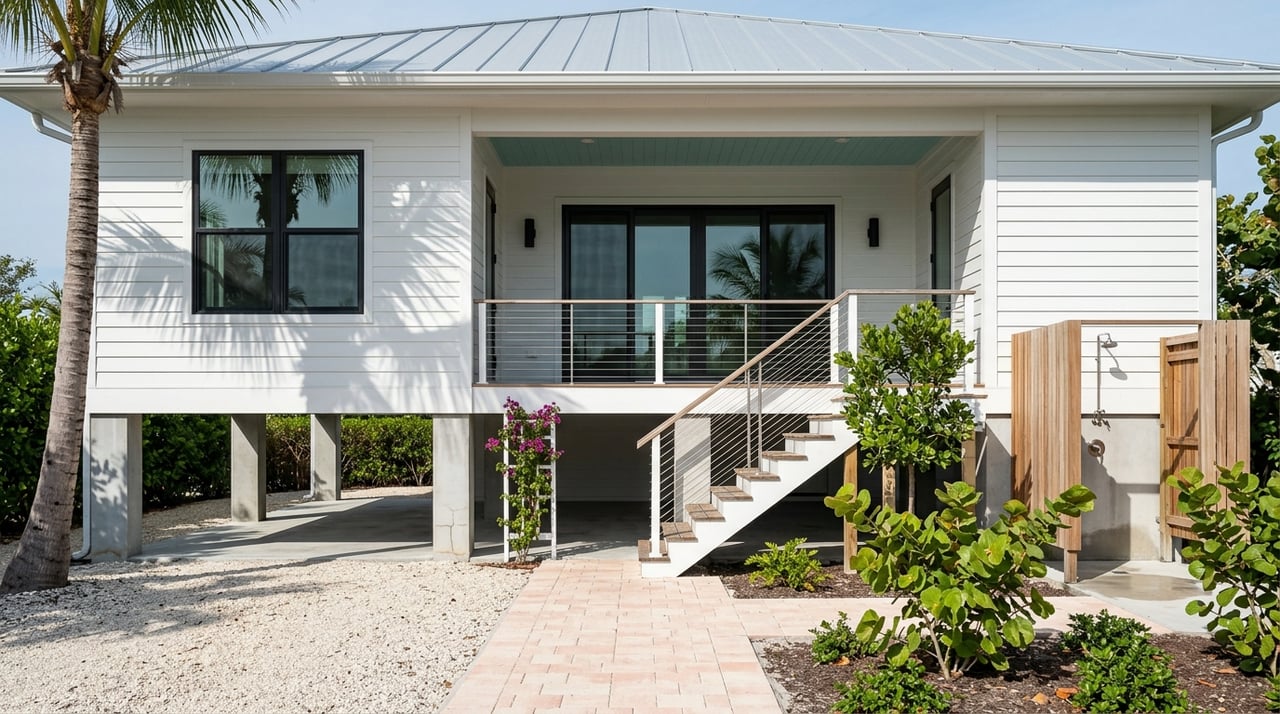
Thinking about buying a vacation rental in Marathon? It can be an exciting move, but in the Florida Keys, a great-looking property is only part of the story. You also need to understand local rental rules, guest demand, and what makes a home work for longer, water-focused stays. This guide will help you compare Marathon vacation rental opportunities with more confidence. Let’s dive in.
Marathon sits in the Middle Keys, stretching from Long Key to the Seven Mile Bridge around mile markers 47 to 61. It is known for boating, fishing, reef trips, family attractions, and dockside lodging options, which gives the market a strong lifestyle appeal for visitors.
Tourism is a major part of the Florida Keys economy. In 2023, visitors spent $3.5 billion across the Keys, and tourism directly supported 19,000 jobs. That scale matters if you are buying with rental demand in mind.
Visitor behavior also helps frame the opportunity. In the 2024 visitor profile study, Marathon visitors averaged 3.9 nights, with an average party size of 3.0, and 97% of visitors said they were satisfied or very satisfied with their trip. Lodging made up 56% of per-trip spending in the Keys, which shows how central accommodations are to the visitor experience.
Before you make an offer, it helps to look at how guests actually use this market. The 2024 visitor study found that 72% of Marathon respondents stayed 1 to 3 nights, while 24% stayed 4 to 7 nights.
That creates an important tension for buyers because City of Marathon short-term rental rules define rentals as 7 to 28 nights. In practice, that means you are not simply chasing quick weekend traffic. You are looking for a property that can persuade guests to book a longer, planned stay.
Properties that support a full vacation experience often have an advantage. Features like outdoor living space, easy water access, room for gear, and a layout that works well for families or small groups can matter as much as the address itself.
Under Florida law, a vacation rental can include a condominium or cooperative unit, or an individually or collectively owned single-family, two-family, or four-family dwelling used as transient lodging. That gives buyers several product types to consider, including condos, townhomes, duplexes, and single-family homes.
In Marathon, you should compare property type through a local operating lens, not just a price-per-square-foot lens. Tourism messaging for the area highlights dockside settings, boat access, pools, reef trips, and family-friendly activities, so properties that connect well to that lifestyle may align more naturally with local demand.
Waterfront homes can appeal to boating and fishing guests. Condos and townhomes may offer easier upkeep, while still giving guests access to pools or marina-style amenities. A duplex or multi-unit setup may also deserve a closer look if the layout fits local rules and your ownership goals.
This is one of the most important due diligence steps in Marathon. City training materials state that each unit may have only one kitchen, and occupancy may not exceed two persons per bedroom plus two extra persons.
That means you should evaluate bedroom count, sleeping configuration, and kitchen layout together. A home with strong curb appeal or waterfront frontage may still be a weak rental candidate if the layout limits how it can be used legally and effectively.
If you are comparing two similar properties, the better rental buy may be the one with a more functional bedroom mix, easier guest flow, and clearer compliance with city standards. Small layout details can have a big impact on usability.
One of the first questions to answer is whether the property is inside the City of Marathon or in unincorporated Monroe County. That single detail affects the permit path and the rules you will need to follow.
The City of Marathon provides an address search tool to help confirm whether a property has a vacation rental license. The city also notes that it is actively addressing illegal rentals and fraud, which makes verification especially important during your due diligence period.
If the property is outside city limits, Monroe County’s Special Vacation Rental Program may apply instead. The county says not all unincorporated areas allow vacation rentals, and some land-use districts prohibit rentals under 28 days.
This point catches many buyers by surprise. In Marathon, vacation rental licenses are annual, must be renewed 30 days before expiration, and do not transfer to a new owner at closing.
Monroe County says the same basic issue applies in its program. County vacation rental permits are nontransferable, and a new owner must obtain a new permit.
For you as a buyer, this means a property with current rental history is not automatically a plug-and-play investment. Prior performance may be helpful context, but your legal ability to operate depends on your own approval path after purchase.
If you buy a vacation rental within the City of Marathon, the operating paperwork is substantial. City materials say the owner or agent needs:
The city also requires several operating standards. These include a written lease, posted rules, a visible manager contact sign, quiet hours from 10:00 p.m. to 7:00 a.m., covered trash, compliance with mandatory evacuation orders, and the vacation rental permit number on advertisements.
This is why smart buyers underwrite operations early. If you cannot support the compliance side of the business, even a beautiful property can become a difficult fit.
In Marathon, local responsiveness is not a nice extra. It is part of the operating model. The city requires a sign with the manager’s name and phone number so neighbors, law enforcement, or code compliance can report issues like noise or excessive occupancy.
That requirement tells you something important about ownership here. A successful vacation rental needs reliable oversight, quick communication, and clear guest expectations from the start.
If you live off-island or out of state, think through how management will work before you buy. You will want a realistic plan for guest communication, cleaning coordination, trash handling, and storm-related response.
Marathon visitors are not just booking a place to sleep. In the 2024 Keys visitor study, 77% said the primary purpose of the trip was recreation or vacation, 47% said the main reason was to relax and escape, 79% dined out, 68% did beach activities, and 59% went sightseeing or visited attractions.
The same study found that 56% had visited the Keys again within the past three years. That repeat pattern suggests consistency matters. Guests who enjoy a smooth stay are more likely to return to the area.
When comparing properties, think about how the home supports the way people vacation in Marathon. Useful features may include parking for vehicles and trailers, clear dock or slip instructions, space for fishing or snorkeling gear, easy check-in, and a written hurricane and evacuation plan.
Marathon is not driven by winter cold in the same way as some mainland seasonal markets. In the Keys, seasonality is tied more closely to weather patterns and hurricane risk.
The Florida Keys tourism site notes that winter months are usually dry. Late May brings the first thundershowers, and Atlantic hurricane season runs from June 1 to November 30, with the highest storm potential typically between August 15 and October 15.
For buyers, this matters in practical ways. You should evaluate storm readiness, guest communication plans, and how the property will be managed during evacuation periods. Weather is not just a background issue here. It is part of the ownership model.
If you are looking at land, a teardown, or a redevelopment play, Monroe County’s ROGO and NROGO system deserves careful attention. The county says growth is controlled to preserve hurricane evacuation capacity and protect natural resources.
That means buildability and entitlement should be part of your purchase analysis from the beginning. In the Keys, redevelopment potential is not something to assume and sort out later.
This is one area where local guidance and detailed due diligence can make a major difference. A lot or redevelopment property may look promising on paper, but the real value depends on what can actually be approved.
When you narrow your list, use a framework that goes beyond price and projected income. A stronger Marathon vacation rental buy usually checks five boxes:
If you want to buy well in Marathon, this kind of side-by-side comparison can help you stay objective. It keeps you focused on what will matter after closing, not just what looks good during a showing.
Buying a vacation rental in Marathon can be a smart move when the property, rules, and operating plan line up. The key is knowing that in the Florida Keys, success depends on more than views and boat access. If you want expert help evaluating investment potential, local fit, and the details that matter before you buy, connect with Stacey Pillari.

336 Duval St Key West, FL 33040
336 Duval St Key West, FL 33040