The boat comes first
A waterfront search should begin with the boat you own—or hope to own. A shallow-draft flats boat, a center console, and a sailboat can require very different depths, turning room, dock configurations, and overhead clearance. Ask about the vessel’s draft (including running gear), beam, length, and air draft. The usable route matters as much as the water immediately behind the house.
Depth changes with the tide
A canal may be deep at the dock yet shallower near its entrance. Tides, seasonal water levels, sediment, and the shallowest part of the route all influence access. Verify depths with current charts, local marine professionals, and an on-water assessment appropriate for your vessel—not a listing description alone.
Width makes a difference
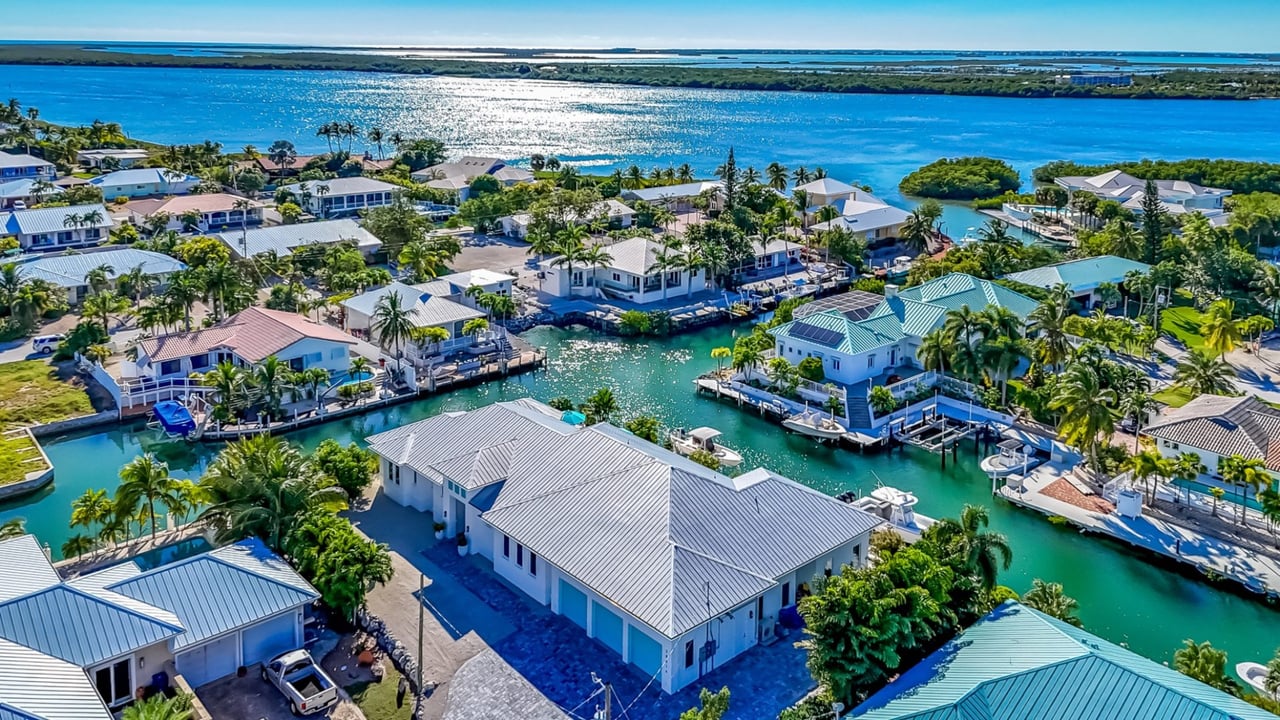
Canal width influences maneuverability, especially where boats, lifts, and docks occupy part of the waterway. A buyer should consider turning room, prevailing wind, dock placement, and whether the boat lift has suitable capacity. The ideal canal is one that comfortably fits how you plan to boat.
Bridges and your boat’s height
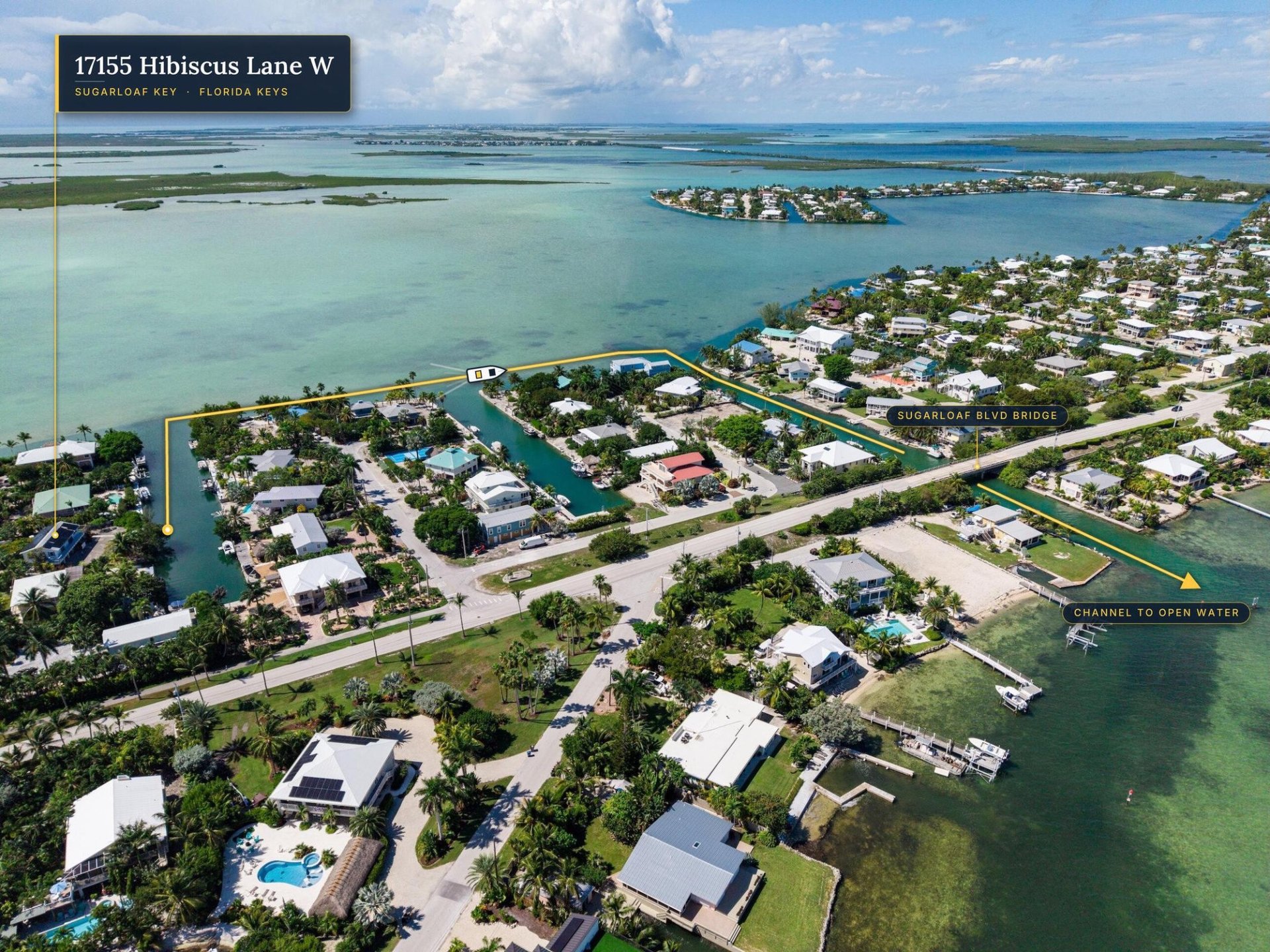
Fixed bridges are an important part of the boating picture. T-tops, towers, antennas, and outriggers may affect a vessel’s air draft, and actual clearance changes with water level. Verify the entire route and the bridge’s posted clearance before assuming a particular boat can pass.
Atlantic side or Gulf-side adventures?
On the Atlantic side, many boaters enjoy access to reefs, wrecks, diving, snorkeling, and offshore fishing opportunities such as mahi-mahi and sailfish, depending on season and conditions. Gulf and backcountry waters offer beautiful flats, mangrove shorelines, birdwatching, kayaking, and fishing for species such as tarpon, bonefish, permit, and snook. Neither is universally better: the right location depends on your favorite days on the water.
Personal watercraft and protected waters
Jet Ski access is location-specific. Personal watercraft are prohibited within the Great White Heron and Key West National Wildlife Refuges, which include substantial Lower Keys backcountry waters; this is not a blanket prohibition on every Gulf-side waterway. Check current refuge and boating-area boundaries before planning a route.
Flow-through, dead-end, and plugged canals
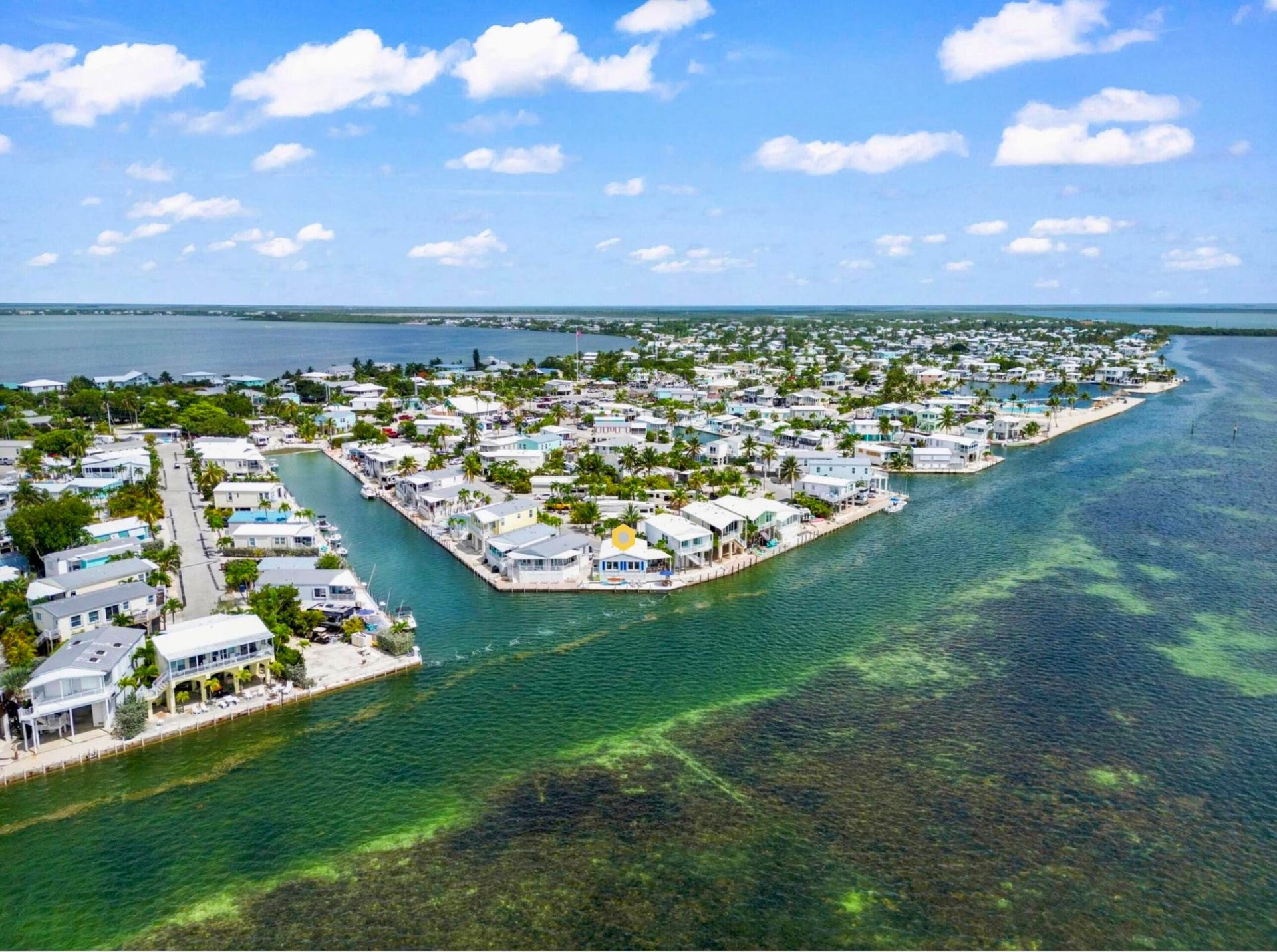
Some canals have connections that promote tidal exchange, while others terminate in dead ends or are separated from open waterways by plugs. Circulation can influence water quality, but a canal’s condition cannot be judged from its shape alone. A plugged canal may appeal to someone who values water views and quiet surroundings, though navigability and permitted activities must be checked individually. Never assume a plug can be removed or a canal dredged.
The full waterfront picture
Dock and seawall condition, boat-lift ratings, permitted structures, no-wake areas, environmental protections, and the time it takes to reach favorite destinations all matter. These characteristics help buyers choose the right lifestyle and help sellers explain what makes their property distinctive.
Five questions worth asking
What boat will I use? What is the shallowest point on the route? Is there a bridge or other clearance limit? What water activities are permitted nearby? And how does the canal connect to the places I most want to explore?
These are not reasons to rule out a home. They are the keys to discovering which waterfront lifestyle is right for you.