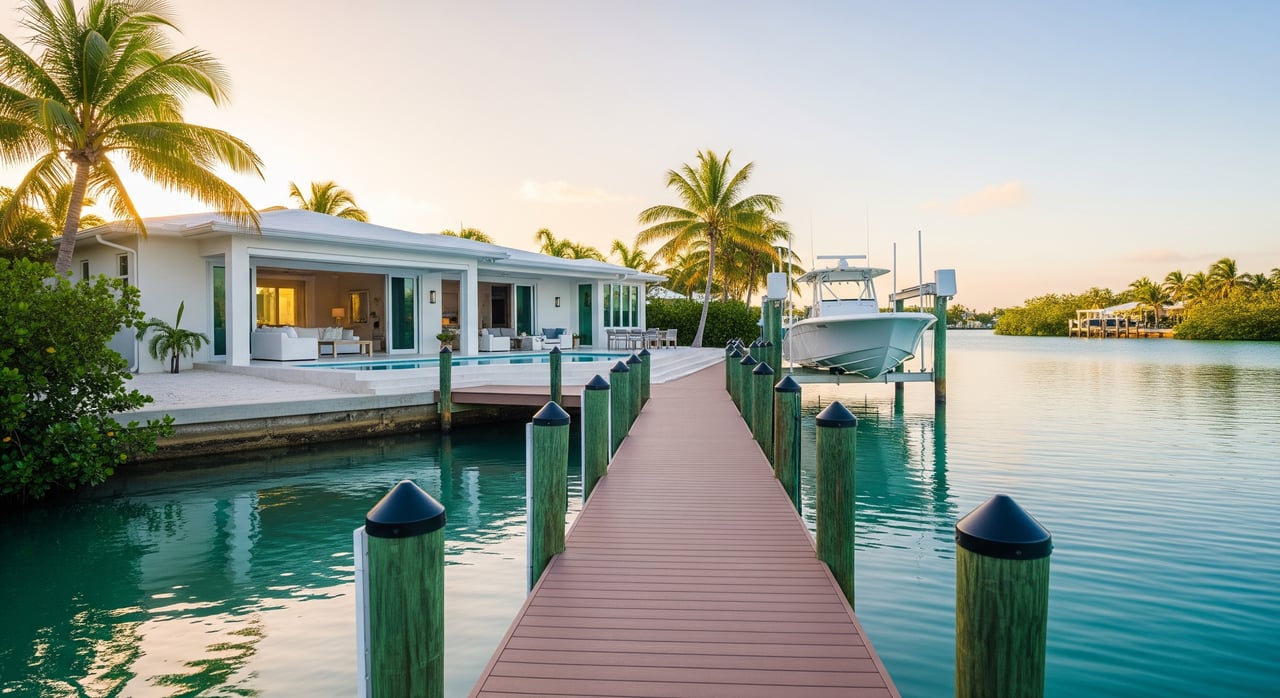
Thinking about listing your Sugarloaf Key waterfront home this winter or spring? You are smart to plan ahead. Seasonal buyers flood the Keys during cooler months, and they look closely at water access, storm resilience, and permits. In this guide, you will get a clear step-by-step plan to prep, market, and launch your listing with confidence so you attract the right buyers and avoid last-minute delays. Let’s dive in.
Why timing matters
High season in the Florida Keys runs roughly November to April. Visitor traffic rises, which brings more qualified buyers to the islands. Listing in early fall through winter helps you maximize exposure to out-of-state residents and snowbirds who tour during peak months. You can confirm seasonality in the Keys through the region’s tourism insights at Florida Keys tourism.
Buyers in Sugarloaf Key often focus on boating access, flood risk and insurance, and hurricane resilience. Many are second-home owners, retirees, or investors. When you prepare for their questions now, you shorten time on market and strengthen your negotiating position.
Gather key documents first
Having complete records ready is one of the fastest ways to keep a sale on track. Start here.
Core property records
- Deed, title, and any chain-of-title documents.
- Latest survey showing shoreline, dock, mean tide lines, and structures. If you do not have one, order an updated survey.
- Property tax records from the Monroe County Property Appraiser.
- Flood insurance policy and declarations. Learn about NFIP basics at FEMA flood insurance.
- Elevation Certificate, if available. This is often needed for buyer underwriting.
- HOA covenants and bylaws, if applicable.
- Septic permits and pump-out record or sewer connection documents.
- Seawall and dock engineering reports, permits, and recent repair invoices.
Permits and compliance
Verify permits and approvals for your dock, lift, and seawall before you list. Start with Monroe County Building & Permitting, then confirm any state or federal approvals if they apply, such as the Florida Department of Environmental Protection and the U.S. Army Corps of Engineers regulatory program. If work was done without permits, discuss options with your agent and local authorities so you can address it early.
If your property has riparian rights, shared docks, or easements that affect water access, gather those documents now so buyers can review them right away.
Florida disclosures
Florida requires sellers to disclose known material facts. Be prepared to share any history of flooding or erosion, drainage problems, storm or corrosion damage, prior insurance claims, septic issues, or environmental violations. Clear disclosures reduce risk and build trust with serious buyers.
Fix coastal priorities before photos
Salt, sun, and tides are hard on structures. Focus on the items that matter most to waterfront buyers.
Marine infrastructure
- Seawall: order a recent inspection or engineer report. Document age, material, condition, and estimated remaining life.
- Dock and lift: repair loose or rotted boards, tighten cleats, check pilings, and service the boat lift. Ensure wiring for lifts is marine grade and properly permitted.
- Lighting and safety: confirm dock lights, handrails, and cleats are safe and attractive.
Building envelope and systems
- Roof, soffits, and eaves: repair or replace worn areas and keep receipts handy.
- HVAC: schedule a service visit and save the report.
- Windows and doors: check seals and corrosion. Coastal-rated products are a plus, so highlight them.
- Electrical and plumbing: consider updates for surge protection and modern load. If on septic, pump and inspect, or provide proof of sewer connection.
Moisture, mold, and pests
Inspect under-house areas and storage for wood rot, mold, or termites. Treat issues now and keep reports to show buyers.
Environmental items
If you have mangroves on site, confirm any trimming followed approved rules. For shoreline or vegetation work, review guidance with FDEP and the county’s environmental team at Monroe County. Unauthorized trimming or unpermitted shoreline work can trigger fines or remediation requirements, which may delay closing.
Market the waterfront lifestyle
Buyers shop with their eyes first, and waterfront buyers focus on views, boatability, and outdoor living. Build your plan around that.
Photography strategy
- Time of day: schedule golden hour and twilight sessions to showcase water color and sunsets. West-facing views are especially striking.
- Tides: check local tide charts at NOAA Tides and Currents and plan photos when water looks its best and shows navigable depth.
- Weather: aim for clear or partly cloudy days to make colors pop.
- Drone: use an experienced, compliant operator to capture context, including channels, bridges, and basin protection.
Must-have shots and assets
- Aerials showing proximity to open water or protected basins.
- Dock, boat lift, cleats, and maneuvering space from multiple angles.
- Interior rooms framed to reveal water views and seamless flow to outdoor areas.
- Lifestyle scenes, such as tidy paddleboards, a simple fishing setup, or evening dock lighting.
- A short hero video or drone flyover to anchor your online listing.
Staging for waterfront appeal
- Clear the dock, coil lines neatly, and remove excess gear.
- Refresh salt-tolerant landscaping, trim palms, and manicure the lawn.
- Arrange outdoor furniture to frame the view and encourage flow from home to dock.
- If a boat is present, present it clean and organized so the lift reads as a value add.
Be accurate about boatability
Represent channel depth and navigation honestly. If you reference water depth at the dock or show a boat maneuvering, note the tide level used for photos or video. Buyers appreciate clarity and it protects your deal.
Timeline to list in winter or spring
Use this simple runway to be ready for peak-season demand.
- 6 to 12 weeks out:
- Order survey and gather permits and HOA docs.
- Schedule seawall and dock inspection, septic inspection or sewer verification, roof and HVAC servicing, and a termite inspection if needed.
- Begin any repairs that require parts or specialized labor.
- 2 to 4 weeks out:
- Clean and prep the dock, pressure-wash, and refresh landscaping.
- Stage interior and exterior spaces to highlight water views and outdoor living.
- Book professional photography and drone, including golden hour and twilight.
Prepare answers to buyer questions
Have clear, written answers ready. It speeds decisions and builds confidence.
- Flood zone and elevation: provide the FEMA map and Elevation Certificate if available. You can find official maps through the FEMA Flood Map Service Center.
- Flood insurance: share your current declarations and agent contact. Learn basics at FEMA flood insurance.
- Dock and seawall: present permits, inspection reports, repair timelines, and lift capacity.
- Water depth: if possible, share mean low-water depth at the dock and note the tidal datum used. Reference local tides through NOAA Tides and Currents.
- Septic or sewer: provide permits, pump-out record, or sewer connection proof.
- Short-term rentals: point buyers to current Monroe County rules at Monroe County and provide your HOA’s position if it applies.
Pricing and negotiation realities
Waterfront value in Sugarloaf Key leans heavily on boating and resilience factors. Dock quality and permitted berth, water depth to the dock, exposure to open water versus protected basins, seawall age, and hurricane upgrades often drive price. Proximity to bridges and marinas can also influence buyer interest.
Expect specialized inspections for marine structures. Lenders may require an Elevation Certificate and proof of flood insurance, so complete documentation helps prevent delays. If drainage, erosion, or unpermitted shoreline work exists, address it early to keep leverage during negotiations.
Avoid common pitfalls
- Listing without an updated survey or dock/seawall permits.
- Delaying flood and elevation documents until after you go under contract.
- Letting algae, clutter, or rotting boards ruin the first impression of your dock.
- Overstating water depth or boatability.
- Ignoring environmental or permit issues, such as unauthorized mangrove trimming.
Your local support team
Line up experienced partners who understand island logistics and coastal rules:
- Monroe County permitting and environmental staff for guidance on docks, lifts, and shoreline work. Start at Monroe County.
- A licensed surveyor with tidal datum expertise.
- A marine contractor and coastal engineer for seawalls, docks, and lifts.
- A home inspector familiar with coastal corrosion and elevated structures.
- An insurance professional who works with NFIP and private carriers.
- A professional photographer and videographer who can capture aerials and twilight shots.
When you want a high-visibility launch and hands-on guidance from consult to closing, partner with a local expert who markets the Keys lifestyle to the right buyers and manages the details with care.
Ready to prep and list with confidence? Connect with Stacey Pillari to plan your winter or spring launch and showcase your Sugarloaf Key waterfront home to its fullest.
FAQs
When should I list a Sugarloaf Key waterfront home for best results?
- The Keys’ high season is roughly November to April, so listing in early fall through winter helps you reach seasonal buyers. See trends at Florida Keys tourism.
What documents do I need before listing a Sugarloaf waterfront property?
- Gather your deed, latest survey, flood insurance declarations, Elevation Certificate, permits for dock and seawall, septic or sewer records, and HOA documents. Check property records with the Monroe County Property Appraiser.
How do I verify my dock and seawall permits in Monroe County?
How can I show accurate water depth at my Sugarloaf Key dock?
- Use your survey measurements and note the tidal datum, then plan photos or video around favorable tides using NOAA Tides and Currents. Be clear about the tide level shown.
Do I need an Elevation Certificate to sell a waterfront home in Sugarloaf Key?
- Lenders and insurers often require an Elevation Certificate for underwriting and flood insurance pricing. Check your records and the FEMA Flood Map Service Center to prepare for buyer due diligence.