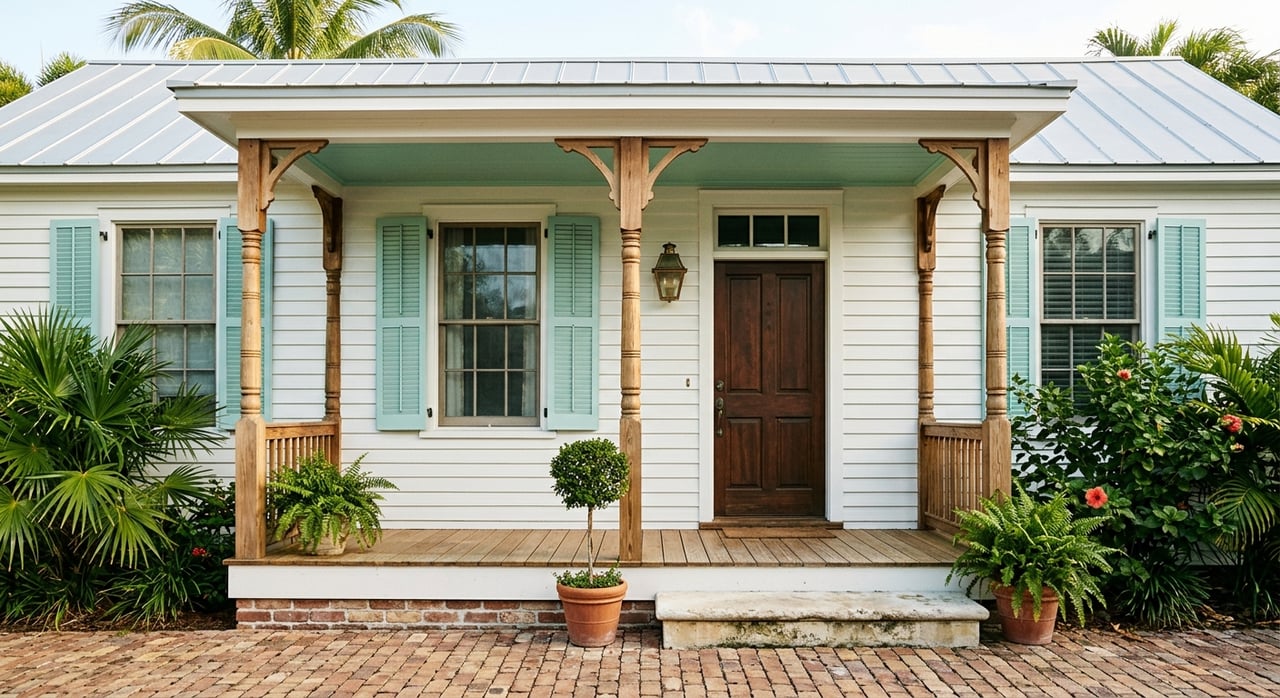
Selling a historic home in Key West is not the same as selling a newer property down the street. If your home has original details, sits in a historic district, or has had years of updates and repairs, you may need more planning before you list. The good news is that with the right timeline, documentation, and presentation, you can protect your sale and highlight what makes your property special. Let’s dive in.
In Key West, historic properties can fall under the city’s Historic Architectural Review Commission, or HARC. According to the City of Key West’s HARC jurisdiction guide, properties inside the local historic district are subject to HARC review, and some contributing structures outside the district may also be affected when exterior changes are involved.
That matters because work that seems simple on another home may need review on a historic one. The city states that a Certificate of Appropriateness is required for many kinds of exterior work, including painting, repairs, remodeling, fencing, decks, landscaping, signs, and demolition of exterior features.
If you are thinking about touching up the exterior before listing, do not assume you can start right away. On a historic Key West home, even a modest update may need approval first.
Before you schedule painters, photographers, or staging, confirm whether your property is under HARC jurisdiction. The city recommends starting with the preservation review process so you understand what documentation and approvals may be needed.
This first step can shape your entire listing timeline. If your project qualifies for staff-level review, the process may move more quickly. If it needs full commission review, you will need more lead time and a complete application package.
A historic home sale works best when you plan backward from your ideal listing date. That gives you time to verify jurisdiction, gather records, decide what work is worth doing, and complete any required approvals before your home goes live.
The city’s COA process guidance notes that, as of March 10, 2025, a COA must be obtained separately from a building permit for applicable work in the historic district. The city also requires a building permit for work valued above $1,000 and does not accept incomplete permit applications.
For most sellers, this order makes sense:
This order helps you avoid expensive delays. It is much easier to market a historic home confidently when your paperwork and approvals are already in place.
There is no one-size-fits-all number, but sellers should allow extra time if exterior work is involved. Based on the city’s review process, your prep period may be fairly short if you only need cleaning, records, and interior presentation updates. If your exterior work needs COA or permit review, the process can stretch by several weeks or more depending on completeness, staff review versus commission review, and the meeting schedule.
The city’s design guidance also notes that some routine projects, such as painting, roofing, fencing, window replacement, paving, and necessary repairs, may be handled by staff when they comply with the guidelines. Projects that do not comply, or are more substantial, may go before HARC and require a pre-application meeting, with complete applications due by 3:00 p.m. Friday, 11 days before the review meeting, per the HARC guidelines.
Historic homes often benefit from pre-listing improvements, but not every project is worth the time or risk. In Key West, preservation standards prioritize repair, compatibility, and protection of original materials and features.
The city’s historic design guidelines emphasize preserving elements such as wood siding, windows, shutters, porches, and other character-defining details. New work should be compatible with the existing structure and should not overpower the original building.
If you are preparing to sell, the safest strategy is often to focus on improvements that:
That may include approved painting, necessary repairs, roof work, or compliant fencing or paving. If your home has older windows or siding, be especially careful. The city places tight restrictions on changing original window openings and says replacement windows for buildings built before 1945 generally need to match the period design, configuration, proportions, and color, or remain harmonious with the building and context.
For sellers, that means well-intended shortcuts can create delays. A preservation-minded contractor or design professional can help you avoid changes that hurt both your timeline and your marketing.
A historic home buyer is often buying both the property and its story. Clear records help support that story and reduce uncertainty.
Before listing, gather:
These records can matter later during buyer due diligence, underwriting, and financing. They also help show that work was handled thoughtfully and with the right approvals.
In Florida, sellers cannot use an as-is clause to avoid disclosing known latent defects. Under Florida law, as discussed by The Florida Bar’s review of Johnson v. Davis, a seller must disclose facts they know that materially affect value and are not readily observable to the buyer.
For a historic Key West home, that may include known roof leaks, water intrusion, unresolved code issues, or other non-obvious problems. Historic homes often have longer repair histories, which can make organized and accurate disclosure even more important.
Another Florida Bar discussion of disclosure obligations reinforces the value of transparency. A clean, well-documented file helps you answer questions early and can reduce last-minute surprises during contract negotiations.
Older homes in Florida often face added insurance scrutiny, and that can affect your sale even if the home shows beautifully. Buyers may want more than a standard home inspection. They may also need certain reports to satisfy their insurer.
According to Citizens Property Insurance inspection requirements, properties more than 20 years old typically require a four-point inspection for certain policy applications. Citizens also states that roofs older than 25 years for soft roofs or 50 years for hard roofs need documentation showing at least five years of remaining useful life. Wind-mitigation documentation may also support premium discounts.
That means buyers may care most about:
The city also notes that required inspections must be approved to complete the building process and secure a Certificate of Occupancy. If you completed pre-listing work, final inspection records may become an important part of your sale file.
A historic Key West home should not be marketed like a generic listing. Buyers are often drawn to the details that make these homes memorable, including porches, shutters, woodwork, traditional windows, and the overall feel of Old Town architecture.
That is why staging and media matter so much. According to NAR’s research on online visibility, 52% of buyers found the home they purchased online, nearly half said their search started online, and 81% rated listing photos as the most useful feature in an online search.
Historic homes need to feel both distinctive and livable. Buyers should be able to appreciate the architecture while also picturing daily life in the space.
The 2025 NAR staging report found that 83% of buyers’ agents said staging made it easier for buyers to visualize the property as a future home. The same report found that 29% of sellers’ agents saw a 1% to 10% increase in offered value, and 49% reported reduced time on market.
For many Key West historic homes, the rooms worth prioritizing are:
When your home is staged and photographed well, original features become assets instead of question marks. The goal is to highlight the charm, not hide it.
The first days on market are important, especially for a home that needs strong visual storytelling and complete supporting documentation. You want buyers to see the home at its best the moment it goes live.
That means your media, records, disclosures, and repair history should be ready before launch. A rushed listing can undercut a historic property’s appeal, while a well-timed one can create stronger early interest and smoother conversations with serious buyers.
Selling a historic Key West home takes more than general real estate knowledge. You need someone who understands how to verify HARC status, when to involve the preservation planner, which updates are worth pursuing, and how to package the home’s records and story for buyers.
That local coordination can make a real difference if you are selling from out of town, managing a second home, or trying to keep a complex timeline on track. It also helps you protect what makes your property valuable: its history, its character, and its market position.
If you are thinking about selling a historic home in Key West, Stacey Pillari can help you plan the timeline, coordinate the details, and launch your listing with the kind of thoughtful marketing and hands-on support these properties deserve.

336 Duval St Key West, FL 33040
336 Duval St Key West, FL 33040